
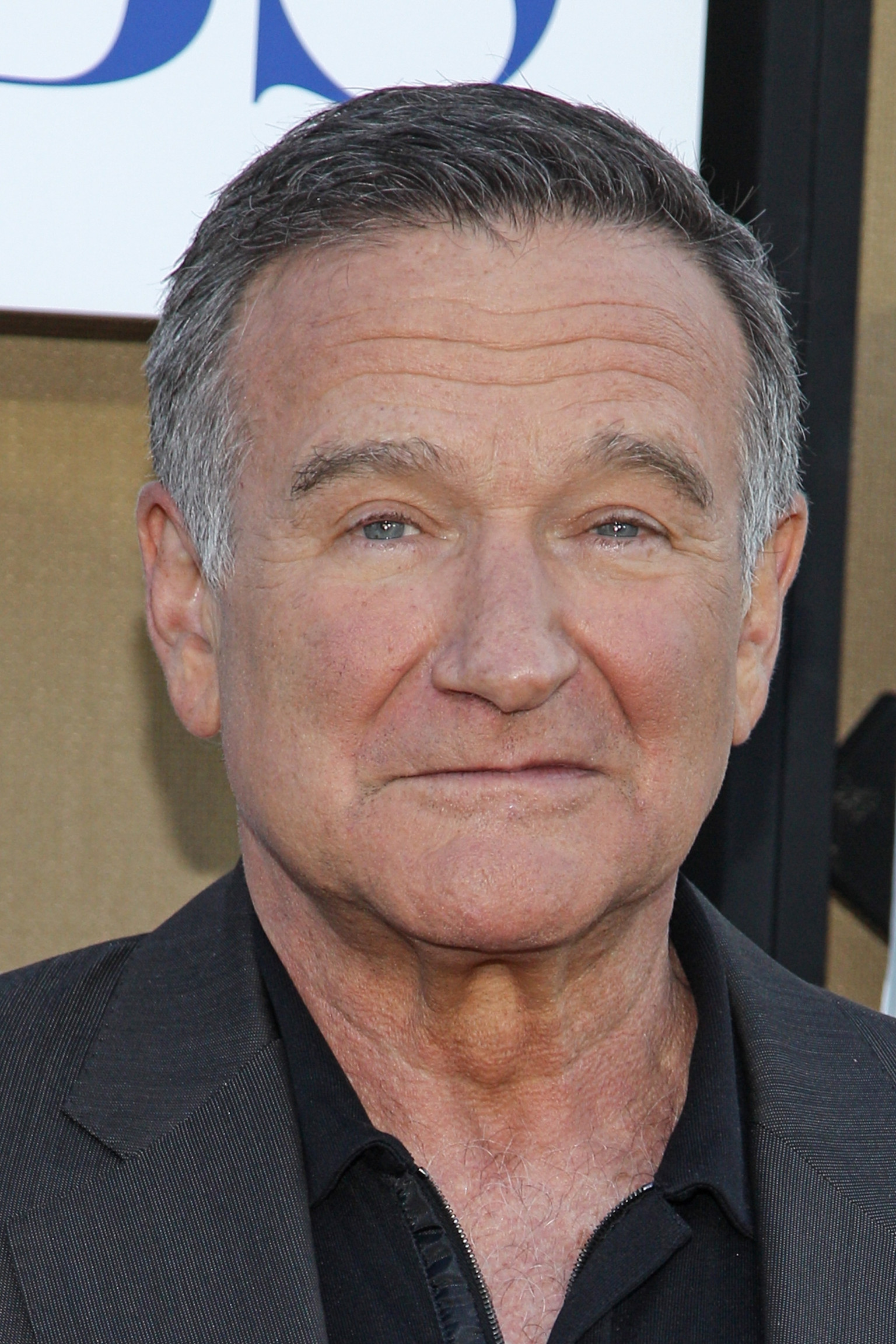
Photo source: UptownMagazine.com
Outside appearances can be deceiving. A great actor made many of us smile, chuckle, and overflow with laughter. Few people would list him as one of the people we suspect of being depressed, yet Robin Williams died one week ago of apparent suicide. Somewhere underneath, he struggled with and succumbed to hopelessness.
Depression can be an illness of the brain, an injury to neurons, an imbalance of biochemistry. In Breaking Through Depression (BTD), I describe a process in which repeated stressors injure the brain, leading to depressive illness.
In my conversations with people who struggle with thoughts of suicide, I have come to think of depression as a chemical imbalance that is similar to the intoxication produced by excessive alcohol use. In this state of chemically-induced confusion, people form false impressions of their value and potential. Chemically overpowered and drunk on despair, they become sick of themselves and their lives, believing a lie that they tell to themselves – that loved ones would be better off without them. This has always been untrue of the people I have counseled who have survived the loss a loved one to suicide.
Severe depression with its suicidal notions can most often be relieved with professional treatment and patience. Quite often people look back with wonder, questioning: “How did I ever get to that place in my life?” For others, thoughts of suicide persist but are balanced by the awareness of goodness in life and their value to others. Suicide is often the wrong short term solution to a long term, yet treatable, illness.
If you or a loved one are struggling with depression, get help! Tell your friend, your doctor, your pastor or priest, your mother or your brother – tell somebody! Then seek professional help and learn more about this hidden illness by reading a book like BTD








 Breaking Through Depression and Anxiety