
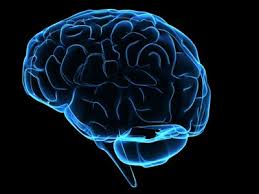
 New research provides evidence that long-term depression is associated with a shrinking brain (1). The study, published last week, suggests that shrinkage in the hippocampus is a consequence of long-term depression.
Scientists compared brain imaging of 1700 patients with clinical depression to brain images of control subjects with no history of depression. The hippocampus, a region responsible for memory function, was smaller in patients with long-term depression. Hippocampus shrinkage was not seen in patients who had only experienced one depressive episode. From this finding, scientists concluded that brain shrinkage comes after, not before, the onset of clinical depression.
In Breaking Through Depression (2), my book on causes and treatments of depression, I explain how stress can lead to brain cell injury. Being depressed is certainly a stressful experience, one that might lead to brain cell injury. Breaking Through Depression also explains how this brain cell damage appears to be reversed by successful treatment. Whether brain cell loss is a cause or consequence of depression remains to be conclusively determined but the point is made stronger by new research: stress and depression can damage the brain.
Do what you can to un-do depression. Find healthy ways to relax and take care of yourself. Exercise: huff and puff and break a sweat. Hang-out with good friends for a while. Engage your spirituality through prayer, meditation, or reading something inspirational. If these self-care steps don’t lift your mood, then seek professional counseling and consider talking with a physician about medication. Depressive illness comes with brain cell injury that can be reduced and reversed.
1. Molecular Psychiatry advance online publication 30 June 2015
2. Breaking Through Depression: A Biblical and Medical Approach to Emotional Wholeness. Harvest House Books
 Breaking Through Depression and Anxiety