
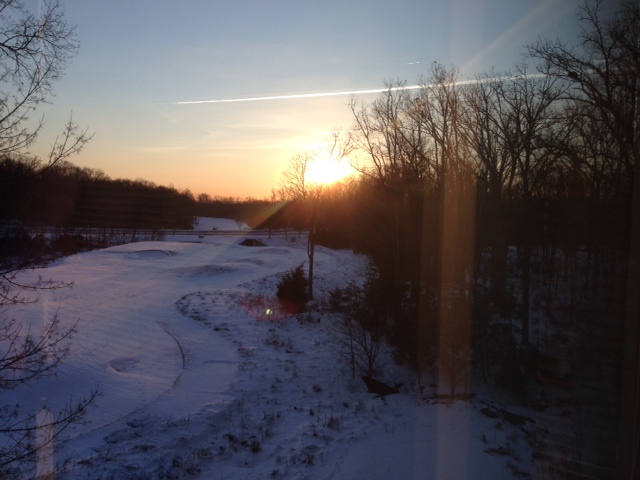
 Cloudy and cold, with a chance of freezing rain – this forecast is heard too often between December and February every year. Dark days may stifle moods. People often feel a touch of, what might be called, the winter blues. Then, if the blues become intense, Seasonal Affective Disorder (SAD) develops.
SAD is a type of depression. It affects 1-10% of people in the US. The rates of SAD vary depending on how far north you live. Residents in Alaska are at greatest risk for SAD due to shorter periods of daylight in the winter.
In my practice, people start showing up with SAD in September and October each year. SAD comes with the same symptoms seen in more common forms of depressive illness. More days are spent feeling down on self and down on life. Few days are experienced with feeling good about themselves and good about life. Like a bear retreating to a cave, people with SAD tend to isolate themselves and wait for the sunnier days of spring.
Treatment of SAD may include counseling, stress management (e.g. limiting expectations during holiday period), and more focus on self-care (e.g. rest and recreate when you can). Many people benefit from increasing exposure to sunlight by taking a trip to a sunnier locale. ‘Light-box’ therapy has also become popular. Several companies now carry light therapy lamps. If these measures do not help, medication may offer relief. Wellbutrin is a popular medical treatment for Seasonal Affective Disorder.
SAD is, by definition, a time-limited illness. Thankfully, moods begin to lighten with brighter days of March and April. But if depressive symptoms are robbing you of joy in relationships or productivity at work, the season to seek help is now.
 Breaking Through Depression and Anxiety